The HealthAI Global Governance Forum – Scaling Responsible AI in Health: From Trust to Implementation
Introduction
The HealthAI Global Governance Forum brings together the people shaping AI in health to turn shared principles into practical, inclusive and globally relevant governance action.
In 2026, participants from across government, health systems, academia, industry, civil society and communities will come together in London to explore how responsible AI can be governed, adopted and scaled safely, equitably and effectively in real health systems.
Through practical discussion, shared learning and collaboration, participants will help shape approaches that move responsible AI from trust to implementation.
About the Forum
The Global Governance Forum (HealthAI GGF) is our annual flagship event for the global community working at the intersection of health, responsible AI and governance.
The inaugural Forum took place in Nairobi in 2025. More than 240 participants joined across in-person and virtual formats, representing more than 50 countries. Policymakers, regulators, international organizations, industry, academia, civil society and young people contributed to an inclusive, cross-sector dialogue.
The 2025 program explored trust as a foundation for responsible AI in health. Keynotes, panels and workshops addressed regulatory oversight, health data governance and implementation in diverse contexts, with particular attention to the priorities of low- and middle-income countries.
In 2026, the Forum will build on this foundation by focusing on the policies, capabilities, infrastructure and partnerships needed to move responsible AI from principle to practice.


What to Expect in 2026
Our 2026 Program
This year’s program will reflect a global dialogue, drawing on experience from different regions, institutions and health systems.
Opening Plenary: Scaling Responsible AI in Health: A Call for Collective Action
1h15m | Plenary
HealthAI GGF 2026 will open with keynote speakers, setting the scene for this year’s Forum and highlighting key challenges and opportunities in scaling responsible AI for health. A GRN panel discussion will then bring members’ reflections to the forefront, followed by the beta launch of HealthAI’s Global Public Directory, a new resource showcasing registered AI solutions in healthcare across selected GRN countries. Together, the session will set the tone for the Forum while introducing one of HealthAI’s key initiatives to the wider public.
Keynote Speakers:
- Dr Ricardo Baptista Leite – CEO, HealthAI
- Dr Jennifer Dixon – CEO, The Health Foundation
- Mr Lawrence Tallon – CEO, Medicines and Healthcare products Regulatory Agency (MHRA)
GRN Panel Discussion:
- Indian Council of Medical Research (ICMR), India
- Ministry of Health, Singapore
- Medicines and Healthcare products Regulatory Agency (MHRA), United Kingdom
- Ministry of Health, Zambia
Global Public Directory Beta Launch
- Mr. Rado Andrian, Director of AI, HealthAI
Session 1: Breaking down Silos, One Debate at a Time
30m | Panel
Evaluating AI in healthcare requires contributions from developers, clinicians, regulators, health technology assessment bodies, healthcare leaders, researchers, program evaluators and communities. Yet, these groups often work in silos, assess different stages of the AI lifecycle and use the same terms in different ways.
The HealthAI’s Working Group on AI Evaluation and Validation in Healthcare have used structured debate to examine terms, including “human-in-the-loop,” “performance metric,” and “clinical evaluation.” Each term is considered from five perspectives: manufacturer or developer, regulator, policymaker or health-system decision-maker, clinician, and program evaluator. This process delineates how meanings, priorities, and assumptions shift across roles and contexts. The aim is not always to produce a single universal definition, but to tease out nuances and build a shared understanding.
This work complements global initiatives such as the International Organization for Standardization (ISO)’s work on Terminology and Concepts for AI in Health. The session will use an interactive example to show how shared language can help bridge silos, strengthen evidence and support more comprehensive and context-sensitive evaluation.
Participating Organisations:
- Vitus Consulting, Spain
- OECD, France
- Guy’s and St Thomas’ NHS Foundation Trust, UK
Thematic Area: Strengthening Human Awareness and Literacy for Responsible AI in Health
Session 2: From Ambition to Action: How are Governments Approaching AI in Health?
1h15m | Panel
AI presents governments with both an opportunity and a challenge: how to move beyond experimentation and make informed choices about where, how and at what scale it can improve health systems. This session brings together practical experiences from national, regional and health-system levels, exploring how governments can prioritise AI use cases, evaluate and procure solutions, build effective governance, develop workforce capacity and collaborate across borders. Short presentations will set the scene, and be accompanied by a panel discussion with all 4 presenters on how governments should approach the procurement of AI solutions for their health systems.
Participating Organisations:
- Tony Blair Institute for Global Change, UK
- Government of Andhra Pradesh, India
- ORAS-CONHU, Peru
- Emirates Health Services, UAE
- Ministry of Health, Singapore
Thematic area: Making AI Governance Principles and Frameworks Work in Practice
Session 3: Walk the Talk: Designing Engagement That Works
1h15m | Workshop
Meaningful multi-stakeholder engagement is essential to building trusted, accountable and responsible AI. The session explores approaches to embedding patient voices through a Patient Engagement in Digital Health Roadmap, and strengthening accountability throughout the total product lifecycle across various stakeholder groups. Two short presentations will be followed by an interactive AI Governance and Readiness Walk addressing practical realities such as accountability, human review and appeal mechanisms, leadership support, explainability, fairness and confidence in challenging AI recommendations. As participants move, the room becomes a visual representation of different governance and readiness positions, allowing us to to identify practical enablers for collaborative AI governance.
This session will include:
- Patient Focused Medicines Development (PFMD), Belgium
- Project Concern International (PCI), India
- Swiss TPH, Switzerland
Thematic area: Meaningful Multi-Stakeholder Engagement to Advance Trust in AI in Health
Session 4: What Makes Scale Possible? Responsible AI Innovation in Practice
1h15m | Flash Talks
Moving an AI innovation from a promising pilot to sustainable impact requires more than technical performance. This session explores the practical drivers of responsible scaling, including contextual evidence, sustainable infrastructure and financing, workforce readiness, trust and engagement, governance, and integration into real-world workflows. Drawing on examples from Africa, Asia, Europe and beyond, the session will examine what enables innovations to move from experimentation to safe, trusted and sustainable adoption. Blocks of short talks will be accompanied by fireside chats with the innovators to extract out enablers and challenges of scaling AI innovation in health. The audience will also be engaged to provide their reflections through a digital platform.
Participating Organisations:
- The South African Consortium of Air Quality Monitoring, South Africa
- Nordic Wellbeing Academy, Denmark
- Qure.ai, India
- Makerere AI Health Lab, Uganda
- Visual Thinking, Portugal
- Johnson & Johnson, USA
Thematic area: Drivers for Scaling Responsible AI Innovation in Health
Session 5: After Go-Live: Monitoring AI in the Real World
1h15m | Workshop
As AI moves into real-world clinical settings, effective monitoring is essential to ensure that systems remain safe, effective and fit for purpose over time. This interactive workshop introduces different approaches to AI monitoring, followed by a role-play in which participants design a monitoring system for a large, multi-site healthcare organisation. The session concludes with a real-world case study from Tandem Health, illustrating post-market surveillance and monitoring of its Ambient Voice Transcription (AVT) technology in practice.
Participating Organisations:
- CERSI-AI, UK
- Tandem Health, Sweden
Thematic area: Making AI Governance Principles and Frameworks Work in Practice
Session 6: From Evidence to Market: Rapid Evaluation and Regulatory Innovation
1h10m | Panel
AI is challenging traditional approaches to regulatory decision-making and evidence generation, requiring health systems to find ways to assess technologies efficiently without compromising safety or trust. This session begins with a presentation from THF on opportunities for collaborative efforts to establish the evaluation architecture necessary for robust rapid real-world evaluation of AI applications in healthcare. This will be followed by a panel discussion with regulators to explore regulatory innovation needed for increasingly autonomous AI systems, regulatory reliance for AI-enabled medical devices, as well as the use of AI for regulation. Together, the session will discuss how evaluation and regulatory pathways can evolve to support timely, evidence-informed adoption of AI.
Participating Organisations:
- The Health Foundation, UK
- Agência Nacional de Vigilância Sanitária (ANVISA), Brazil
- Instituto Nacional da Farmácia e do Medicamento (INFARMED) , Portugal
- Health Sciences Authority, Singapore
- Zambia Medicines Regulatory Authority (ZAMRA), Zambia
Thematic area: Making AI Governance Principles and Frameworks Work in Practice
Session 7: Who Decides? Who Answers? Sovereignty, Rights and Accountability
1h10m | Fishbowl Discussion
As AI becomes increasingly embedded across sectors and borders, questions of sovereignty, control and accountability are becoming ever more important. Who should shape AI, who holds decision-making power, and who is ultimately accountable for its impacts are questions increasingly being asked by our societies. Following a grounding presentation, this fishbowl discussion will start off by unpacking terms such as sovereignty, rights and accountability, before exploring topics on digital resilience, data provenance, consent, collective authority, privacy requirements, contestability, and redress. The aim will be to bring diverse perspectives into an open and participatory debate and distill key emerging themes.
Participating Organisations:
- Nottingham Trent University, UK
- Transform Health, Switzerland
- Ministry of Health, Brazil
- Makerere University Walter Reed Program, Uganda
- Malmö University, Sweden
- Ruby General Hospital, Kolkata, India
Thematic area: Navigating AI, Data, and Digital Sovereignty in Health
Session 8: Building AI Literacy in Health: What Does it Mean in Practice?
1h10m | Workshop
AI is rapidly transforming healthcare, strengthening AI awareness and literacy becomes essential for safe, equitable and responsible adoption. This session begins by showcasing the development of a competency- based curriculum for Responsible AI in health for low-resource settings, through an evidence synthesis and participatory co-design methodology, for health system actors. This is then followed by a presentation of the Modular and Stratified Healthcare AI Literacy Framework (M-SHALF), developed by Harvard Law School for healthcare organizations to implement role-specific AI literacy programs. The session concludes with an interactive workshop demonstrating how AI literacy can be gained through a conversational learning experience.
Participating Organisations:
- Temerty Centre for Artificial Intelligence Research and Education in Medicine (T-CAIREM), University of Toronto
- Harvard Law School, USA
- Romion Health, The Netherlands
Thematic area: Strengthening Human Awareness and Literacy for Responsible AI in Health
Session 9: From Authorization to Access: Health Technology Assessment for AI in Health
1h15m | Panel
Health technology assessment (HTA) can play a critical role in helping health systems determine whether AI technologies deliver meaningful value and under what conditions they should be adopted. This session brings together country experiences from ACE, NICE and NHRDC, followed by a short panel exploring how different health systems are adapting HTA approaches for AI. The session will then soft-launch HealthAI’s HTA Blueprint, followed by a fireside chat with HTAi on the future of HTA for AI and how global approaches can support evidence-informed, responsible adoption, including in low-resource settings.
Participating Organisations:
- LATAM HTA, Colombia
- NICE, UK
- NHRDC, People’s Republic of China
- HealthAI, Switzerland
- HTAi, Canada
Thematic area: Making AI Governance Principles and Frameworks Work in Practice
Session 10: From Global AI in Health Action Plan to Regional Practice
1h15m | Panel
Responsible AI principles are increasingly well established, but translating them into coordinated action remains a challenge for countries and health systems. This interactive panel session explores how international alignment and regional collaboration can help bridge the gap between guidance and implementation, drawing on the Expert-led Madrid Action Plan (EL-MAP) and the experience of regional digital health networks across Asia, Africa, the Pacific and Latin America and the Caribbean. Through facilitated dialogue, live polling and cross-regional perspectives, participants will help identify practical priorities, implementation needs and opportunities for stronger collaboration to enable safe, equitable and sustainable AI at scale.
Participating Organisations:
- OECD, France
- CHAI, USA
- The Health Foundation, UK
- RECAINSA, Guatemala
- Asia eHealth Information Network (AeHIN), India
- Pan African Health Informatics Association (HELINA), Tanzania
- Pacific Health Information Network (PHIN), Samoa
Thematic area: Making AI Governance Principles and Frameworks Work in Practice
Session 11: Trust in Practice: Who Gets a Voice?
1h15m | Panel
AI is increasingly becoming part of how people enter, navigate and experience healthcare, challenging traditional approaches to health system governance. This interactive panel will explore what it means to reframe the patient journey as a practical unit of governance, bringing together perspectives on trust, accountability, community readiness and shared responsibility. The discussion will move from the overarching governance challenge to practical examples from Nigeria, India and Bangladesh, examining what can be learned from different social and cultural contexts, and how health systems can build trust through governance approaches that are inclusive, adaptive and fit for purpose.
Participating Organisations:
- The University of Alabama, USA
- Baraka Finance Institute, Portugal
- Movement Health, Denmark
- Call Off Cancer Initiative, Nigeria
- Centre for Sustainable Health Innovations, Public Health Foundation, India
Thematic area: Meaningful Multi-Stakeholder Engagement to Advance Trust in AI in Health
Closing Session: Governance Pulse
45m | Closing
The Health Foundation has conducted UK national polling and deliberative research on public attitudes to technology and AI as part of the National Commission into the Regulation of AI in Healthcare. Polling has suggested that the public recognizes the potential benefits of AI in healthcare but expect cereal safeguards around its use. Public trust and confidence will depend not simply on what people think of the technology itself but whether it has been introduced safely, fairly and in an accountable manner. Ultimately safety, effectiveness and accountability matter the most. With our Forum participants, selected questions from the national polling will presented to them to seek their opinions throughout the day. The results of the Forum poll will be presented side by side the national poll findings as THF presents their work.
Participating Organisations:
- The Health Foundation
- HealthAI
Beyond the Room: HealthAI GGF Abstract Digital Showcase
Not every important idea can fit into the live program. Beyond the Room extends the Forum by giving selected abstracts a dedicated digital space to be discovered, shared and explored.
Featured contributors will create a concise digital profile of their work, including the abstract title, a short summary, a key takeaway and a short video. Delegates will be able to explore the showcase during and after the Forum, creating more opportunities for strong ideas to reach new audiences and spark further conversation.
The showcase will also help carry learning beyond the event itself, feeding into post-Forum outputs and HealthAI’s wider Community of Practice.
Because the conversation should not end when the session does.
Speakers at HealthAI GGF 2026
Practical Information
Accommodation: Special Rates for GGF Participants
Participants to the HealthAI Global Governance Forum 2026 can book rooms at an exclusive rate at The Gate London City hotel, about 5 minutes on foot (0.2 miles) from the GGF venue. Click on the link below to access our special room rate.
Enjoy an Exclusive 22% Discount on Your Stay at The Gate London City
Transportation & Transit
Hotel Address: The Gate London City, 41 White Church Ln, London E1 7QR
Nearest Tube: Aldgate East (District & Hammersmith & City lines) is a 3-min walk from the hotel.
Venue Address: Events @ No 6, 6 Alie St, London E1 8QT
Walking hotel ↔ venue: 10–12 minutes (about 0.6 miles / 1 km) via Whitechapel Road and Commercial Road; well‑lit, main roads.
Best public‑transport option to Whitechapel/Aldgate East
Heathrow (LHR): Elizabeth line direct to Whitechapel – 45–50 min – £15.50
Gatwick (LGW): Thameslink to London Bridge, then Jubilee line to Aldgate East – 60–75 min – £12–£16
Stansted (STN): National Express/other coach to Whitechapel or Liverpool Street + short Tube – 60–75 min – £8–£12
Luton (LTN): Thameslink to Farringdon/London Bridge + Tube, or coach to Victoria + Tube – 75–90 min – £12–£18
London City (LCY): DLR to Aldgate East – 20–30 min – £3–£5 (DLR)
Taxis / ride‑hail (approximate, one‑way, to hotel):
- Heathrow: £55–£75
- Gatwick: £60–£80
- Stansted/Luton: £65–£90
- London City: £20–£30
(Prices vary by time of day, traffic, and provider; always use licensed black cabs or reputable apps.)
Getting around London:
Use contactless bank cards (Visa/Mastercard/Amex) or mobile wallets (Apple Pay/Google Pay) to tap in/out on Tube, bus, DLR, Overground, and Elizabeth line.
Oyster cards are an alternative (£7 deposit, refundable); Visitor Oyster cards can be ordered in advance.
Cash is not accepted on buses; contactless/Oyster is strongly recommended.
Visa Requirements
Whether you need a visa depends on your nationality. Many visitors attend under the Standard Visitor route (which permits conference attendance).
-
Check if you need a visa and apply online here: GOV.UK – Check if you need a UK visa
-
Standard Visitor visa (if required): typically up to 6 months; fee ~£135.
-
Electronic Travel Authorisation (ETA): required for some non‑visa nationals (e.g., many European, US, Australian passport holders may need an ETA depending on final rules). Check the official guidance before travel.
-
If you need an invitation letter for your visa application, contact the HealthAI events team in advance.
Bring: passport, invitation/registration confirmation, proof of accommodation, and evidence of funds/return travel if requested by border officers.
Health Requirements
No special vaccinations are mandated for entry to the UK, but you should be up to date on routine vaccines (MMR, diphtheria‑tetanus‑polio, etc.)
-
Recommended before travel: ensure routine vaccines are current; consider hepatitis A and typhoid if you may eat outside typical tourist settings.
-
Polio: a one‑time adult booster is advised for travelers to the UK if your last dose was many years ago.
-
COVID‑19: stay up to date per your national guidance.
-
For country‑specific advice, see: NHS – Travel vaccinations and TravelHealthPro – United Kingdom.
If you take prescription medicines, carry them in original packaging with a copy of your prescription.
Security Information
London is generally safe, but use big‑city precautions:
-
Pickpockets: keep phones, wallets, and bags secure and in sight; avoid back pockets and unattended items.
-
ATMs: cover the keypad, check for tampering, and don’t share your PIN.
-
Taxis: use licensed black cabs or reputable apps; avoid unmarked cars.
-
Night travel: stick to well‑lit main roads; avoid deserted tunnels/underpasses; travel in groups when possible.
-
Unattended bags: never leave luggage unattended in stations, hotels, or public venues (this can trigger security alerts).
-
Emergencies: call 999 (or 112) for police/ambulance/fire; 101 for non‑urgent police matters.
Further tips: Visit London – Staying safe
Weather in November
Expect cool, changeable autumn weather with a real chance of rain.
-
Average temperatures: daytime ~10–11°C (50–52°F); nights ~4–6°C (39–43°F)
-
Rainfall: ~60–70 mm over the month; around 8–11 rainy days.
-
Daylight: short days; plan indoor alternatives and allow extra time for travel.
What to pack: waterproof jacket or umbrella, warm layers, comfortable closed shoes, and a scarf/gloves for evenings.
General Information
-
Electricity: 230V, 50Hz; Type G (three rectangular pins). Travelers from 100–127V countries need a voltage converter for non‑dual‑voltage devices; most phone/laptop chargers are dual‑voltage (check the label).
-
Time zone: GMT (UTC+0); in November the UK is on GMT (clocks change back from BST late October).
-
Payments: contactless cards and mobile wallets are widely accepted; cash is less commonly needed but still useful for small vendors.
-
Water: tap water is safe to drink throughout London.
-
Language: English is the main language; signage is clear on public transport.
-
Mobile data: check roaming charges with your provider; consider an eSIM/local SIM if needed.
-
Accessibility: most Tube stations have step‑free access information online; plan ahead if you require it.
If you need more detail on any topic, visit: tripzoria.com/united-kingdom.
Safe travels, and see you in London for the Global Governance Forum.

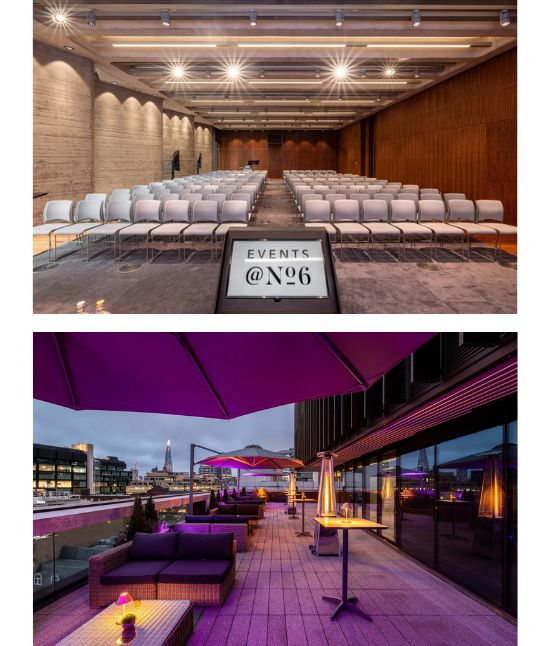
Event Venue
The GGF will take place at Events @ No 6 in London
Events @ No 6 is located at 6 Alie Street, London E1 8QT, United Kingdom, close to Aldgate and Aldgate East Underground stations.
Detailed timings, accessibility information and travel guidance will be shared with confirmed participants before the Forum.
Our Strategic Partners
The HealthAI Global Governance Forum 2026 is organized thanks to the meaningful contribution by our two strategic partners, The Health Foundation and the United Kingdom’s Medicines & Healthcare products Regulatory Agency (MHRA).
Road to Geneva 2027
For many decades, Geneva has been a place where nations, international organizations, civil society, academia and the private sector have come together to address humanity’s most pressing challenges.
Led by the Federal Department of the Environment, Transport, Energy and Communications (DETEC), in collaboration with the Federal Department of Foreign Affairs (FDFA), the Summit will build on Switzerland’s commitment to inclusive and multistakeholder AI governance.
The Geneva AI Summit 2027 is to be held on the theme of ‘Bridging Innovation and Trust’ with the focus set on two strategic priorities: AI as a driver of prosperity and progress for all and fostering trustworthy, responsible and safe use of AI.